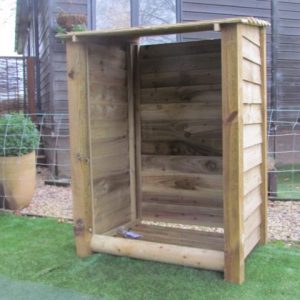
The Essential Guide to Choosing and Using a wooden Log Store

​A roaring fire brings warmth, comfort, and a rustic charm to any home. But the secret to a consistently brilliant blaze lies not just in the fire itself, but in the quality of your fuel. This is where a dedicated wooden log store becomes an indispensable asset for any wood-burning enthusiast. More than just a simple shed, a well-chosen wood log store is engineered to protect and season your firewood, ensuring optimal burning efficiency.

​Why Every Home Needs a Dedicated wood Store

​The primary function of a wood store is to provide ideal conditions for firewood seasoning. Freshly cut wood contains a high moisture content, making it difficult to burn, producing excessive smoke, and yielding little heat. Seasoning is the process of drying this wood out, reducing its moisture level to around 20% or less. A good log store facilitates this by offering crucial protection from rain and snow while promoting ample air circulation. This prevents rot, mold, and insect infestations, safeguarding your investment in quality firewood. Without proper wood storage, your logs are susceptible to dampness, which leads to poor combustion and increased creosote buildup in your chimney, posing a fire risk.

​Key Features of an Effective wood Store

​When selecting a firewood store, several design elements are paramount:

  • Robust Roof: A sloped, weather-resistant roof is vital to shed precipitation away from your precious logs. Materials like timber, felt, or even metal are common.
  • Optimal Ventilation: This is perhaps the most critical feature. The best log stores boast open fronts, slatted sides, or strategically placed gaps to allow air to flow freely through the entire woodpile. This continuous airflow is what drives the seasoning process, ensuring every log dries efficiently.
  • Elevated Base: Keeping logs off the ground is non-negotiable. A raised base prevents moisture wicking up from the soil and deters pests from making a home in your stacked wood. Look for sturdy bearers or feet that lift the structure clear of the damp earth.
  • Durable Construction: A timber wood store made from pressure-treated wood or a metal log store will offer longevity and resistance to the elements. Consider the local climate and choose materials that can withstand harsh weather.

​Sizing Your wood Store: From Small to Substantial

​The ideal size of your wood store will depend on your specific needs. For occasional fires or smaller homes, a small wood store or a compact firewood rack might suffice, holding enough wood for a few weeks. If wood is your primary heating source, you’ll likely need a large wood store capable of holding a substantial amount – perhaps a full year’s supply. Consider a double wood store or even a custom-built firewood shed for maximum capacity and protection. For urban dwellers or those with limited outdoor space, a vertical log store can offer an efficient footprint.

​Placement and Maintenance Tips

​The location of your outdoor wood storage is almost as important as the store itself. Choose a spot that receives good sunlight and is exposed to prevailing winds for optimal drying. Ensure it’s easily accessible for loading and unloading, but far enough from your home’s foundation to prevent pest migration. Regularly inspect your stacked logs for signs of mold or pests, and ensure the log store remains clear of debris to maintain proper airflow.

​By investing in a well-designed and properly utilized wooden log store, you’re not just buying a shed; you’re investing in cleaner burns, more efficient heating, and the enduring pleasure of a perfectly seasoned fire.

Wooden log store

Showing the single result